There’s a unique, stomach-flipping panic that only an email from [email protected] can trigger. It usually lands late on a Friday, just when you were planning to forget about spreadsheets for the weekend. Suddenly you’re scanning old UPI refs, replaying that one cash gift from your uncle, and wondering whether you remembered to claim that freelance invoice.
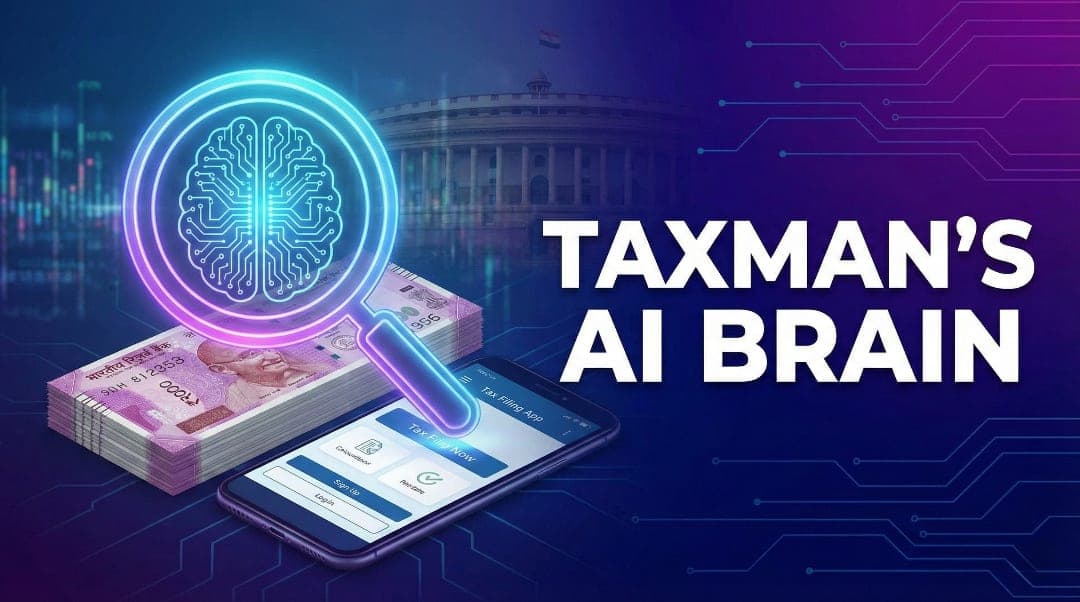
For years, filing taxes felt like a last-minute school project: rushed, messy, and best avoided until the deadline. That habit is about to collide with a new reality. The CBDT has handed LTIMindtree a ₹3,000 crore contract to build an AI-driven tax analytics platform—and this isn’t just another back-office upgrade. It’s the tax system getting a high-speed brain transplant.
This platform will do more than check arithmetic. It aims to cross-reference filings with a taxpayer’s digital footprint—bank flows, social posts, travel patterns—and flag inconsistencies. In plain English: if your Instagram screams Maldives but your return says ₹5 lakh a year, the new system will notice, fast.
Think of the AI as a detective with access to your receipts, bank feeds, and public posts. It reconstructs the story your data tells and checks whether your tax return matches that narrative.
The LTIMindtree win lit a short, sharp rally in tech stocks—a clear sign investors are pricing in government-led AI spending. When the biggest buyer in the market starts writing big cheques for AI, it creates immediate demand for data engineers, ML specialists and secure cloud infrastructure across Bengaluru, Pune and Hyderabad.
A single government AI contract that’s likely to ripple through hiring and vendor ecosystems.
1. Casual filing is riskier.
The system won’t just spot math errors; it will look for pattern mismatches. Freelancers and gig workers with fragmented income streams should tidy up records and reconcile digital receipts now.
2. Jobs shift from volume to skill.
Expect demand for senior data engineers, privacy auditors, and compliance analysts to climb. The government spending creates high-pay openings for specialist talent, not just fresh graduate hires.
3. Real-time taxes move closer to reality.
Imagine taxes that adjust as you spend and earn. Efficient on paper, intrusive in practice, and requiring better bookkeeping from everyone.
Big-data tax tools promise efficiency, but they also raise real questions. Will every ₹2,000 UPI transfer be treated as suspicious? Can the system balance scale with a low false-positive rate, or will taxpayers spend months fighting erroneous notices? Past portal glitches are a warning: throwing money at tech doesn’t automatically buy perfect results.
Automation helps catch patterns but scale and context matter. Misflags could create a new administrative burden unless the system pairs smart algorithms with strong human review and appeal routes.
Expect a phased rollout: data cleaning, pilot testing, and then wider enforcement. "Notice season" could become noisier as the platform starts surfacing mismatches. Policymakers may follow up with new disclosure rules for digital assets and cross-border income—so keep an eye on Budget announcements and CBDT circulars.
The taxman just got a powerful new tool. It’s bullish for Indian tech stocks and for specialists in data and AI—but it also tightens the noose on casual or sloppy financial record-keeping. If you file taxes, this is a good moment to get organised: reconcile receipts, digitise invoices, and tidy your digital footprint.
Fun fact: A big government contract like this often creates dozens of high-skill roles that don’t just vanish when the project ends; they stay in the ecosystem.
Get concise market explainers in your inbox. No jargon, just the useful stuff.
Subscribe to First Scroll