Back in 2023, I remember standing in a grocery store and joking with the cashier, "Do you take EMIs for tomatoes." Prices were wild. A simple salad felt like a luxury purchase, and my bank balance felt personally attacked.
Fast forward to this morning. I walked out with a full week’s worth of vegetables and paid less than what my regular latte costs. I actually checked the bill twice. For a second, it felt like reality made a pricing error.
Yesterday, that weird feeling became official policy.
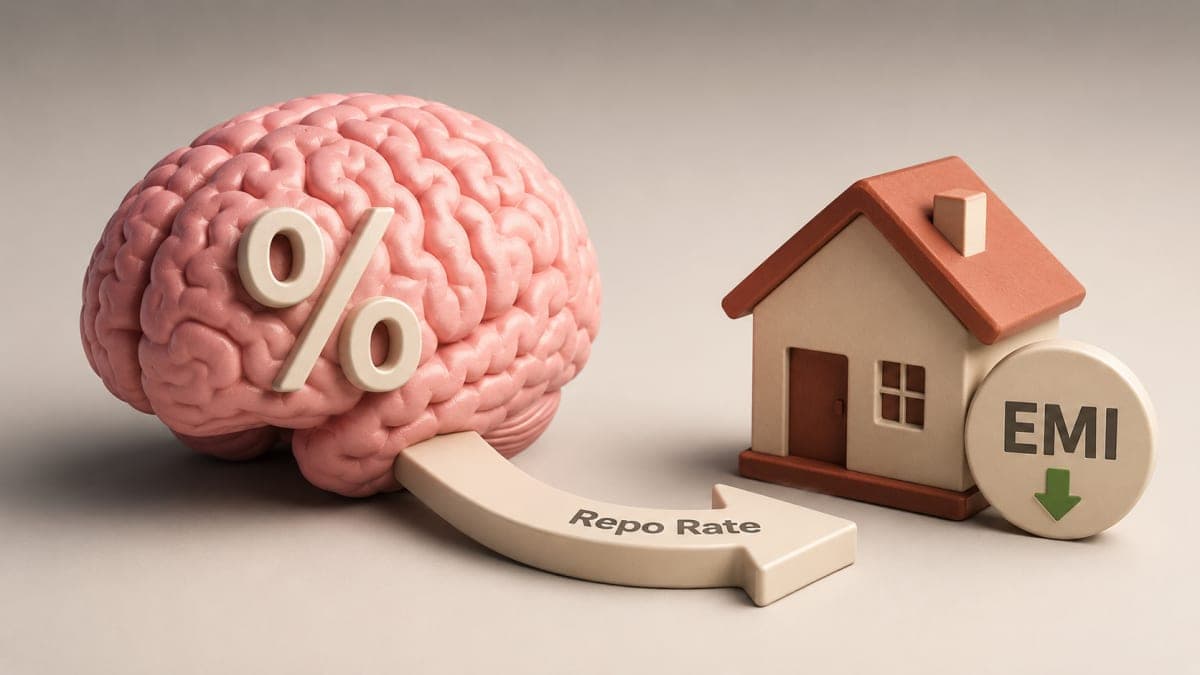
The Reserve Bank of India cut the repo rate by another 25 basis points, taking it down to 5.25%.
If finance jargon makes your eyes glaze over, here is the translation: borrowing money just got meaningfully cheaper.
Banks wasted no time. SBI and others started nudging lending rates down. If you already have a home loan, your EMI is likely heading lower. If you have been waiting to buy a house, a car, or an EV, this suddenly feels like your moment.
On paper, it looks almost too clean.
India is growing at 8.2%. Inflation has cooled to 0.25%. Economists are calling this a "Goldilocks" economy. Not overheating. Not slowing down. Just right.
This is the rate at which the RBI lends money to banks. When the RBI cuts it, banks get cheaper funding and are expected to pass some of that benefit to customers. It is the anchor for a lot of interest rates in the economy.
Here is an easier way to picture it.
Imagine the repo rate is the base fare of a taxi.
The RBI is the transport authority. When it lowers the base fare, every ride becomes cheaper. You do not need to negotiate. The meter itself runs slower.
Lower fares mean more people take taxis. In economic terms, that means more borrowing, more spending, more homes bought, and more businesses expanding.
That is exactly what the RBI wants right now.
That is India’s current inflation rate. This is not just low, it is historically low. The RBI usually aims for around 4%. Anything far below that starts raising eyebrows.
Cheap money sounds great. Near zero inflation sounds even better. But this is where the story gets uncomfortable.
While urban India celebrates lower EMIs and cheaper groceries, rural India is quietly taking the hit.
That headline inflation number is being dragged down by a tough reality: vegetable prices have crashed by nearly 30%.
For consumers, that is a win. For farmers, it is a problem.
When farmers sell crops below cost, rural incomes get squeezed. And rural India is not a small corner of the economy. Nearly 60% of Indians still depend on it.
If rural households cut spending because they are under pressure, the shock does not stay rural. It spills into FMCG sales, auto demand, housing demand, and eventually GDP growth itself.
That glossy 8.2% growth number can lose its shine faster than people think.
Yes, this is a good moment to refinance loans or benefit from lower rates if you are on a floating rate. The math suddenly works more in your favour.
But do not confuse cheap money with free money. Low inflation feels nice, until it starts reflecting weak incomes somewhere else in the system.
Fun fact: The last time repo rates were this low, Gangnam Style was still everywhere and most of us were still paying friends back in cash, not UPI.
If market noise stresses you out, you are not alone. That is exactly why we built First Scroll.
It is a daily, five minute, mobile first finance read that explains what happened, why it matters, and what to remember without hype or panic.
If this article helped you think clearly today, you will enjoy reading First Scroll every morning.
Subscribe to First ScrollSources: The Hindu | Times of India