Imagine you walk into a bakery. A croissant is ₹200. You ask for butter, and the baker smiles and says, "Butter is free."
You feel special. You eat the croissant. Then you notice something on the menu. The plain croissant, without the "free" butter story, is only ₹150.
You didn’t get free butter. You paid ₹50 for it. The baker just hid the bill inside the bread.
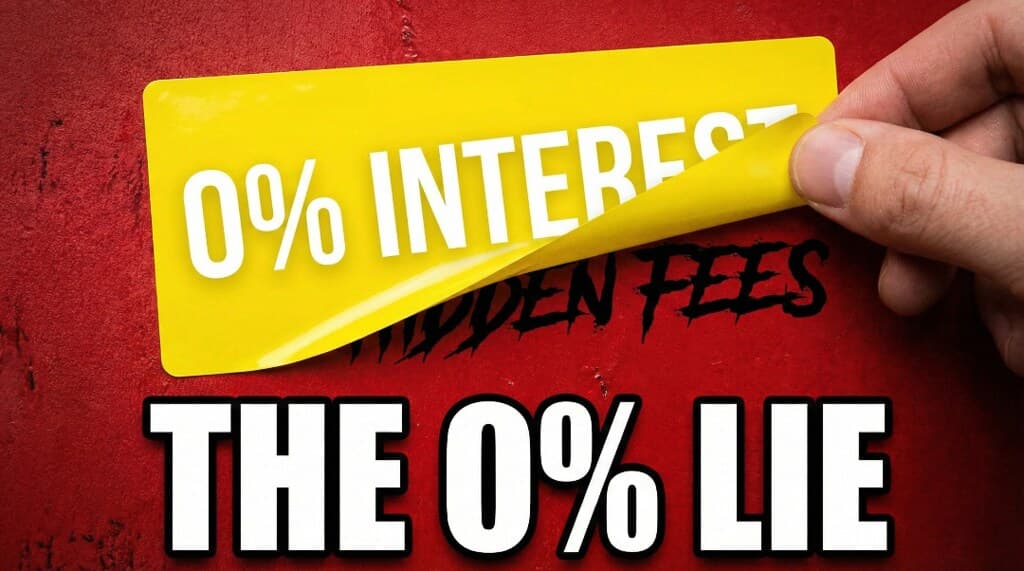
For the last few years, this has been the exact business model of Amazon, Flipkart, and half the electronics shops at your local mall. It is called "no cost EMI." And as of yesterday, the RBI decided it is time to stop the magic trick.
Here is the new reality check. The RBI has issued a strict directive that cracks down on hiding interest inside the product price or behind sneaky fees.
Starting next quarter, platforms and lenders cannot advertise "0% interest" if the real cost is being recovered through processing fees, forced add ons, or inflated pricing that quietly pays the bank.
Earlier, if you bought a ₹50,000 phone on "no cost EMI," the bank might be charging a normal rate, say 12 to 18% annualised. To make it look free, the brand would cover that interest through a discount structure, or by simply not giving you the cash discount you would have received for paying upfront.
The RBI’s message is basically: stop the gymnastics. Show the customer the real price and the real interest rate separately.
This is the banking term for "someone else paying your interest." In a no cost EMI, the manufacturer pays the bank on your behalf. But you recover that cost by losing the cash discount you would have gotten if you paid upfront.
You open a food delivery app. The burger is ₹200. Delivery is ₹50. You hate paying delivery.
So the app quietly changes the burger to ₹250 and slaps a neon "free delivery" sticker on it.
You feel like you won. But the money leaving your pocket is exactly the same.
The RBI is now telling lenders and platforms: list the burger as ₹200 and the delivery as ₹50. Stop tricking people with the word free.
Will this help you. Yes. Transparency is good.
But here is the catch. Your impulse buys are about to get a psychological speed bump.
When you see "15% interest" written clearly next to that shiny laptop, you might pause. That pause is great for your savings. But it is bad for retailers who depend on people upgrading phones every year because the monthly EMI looks harmless.
And let’s be honest. "Free" is the strongest word in marketing. Remove it, and a lot of checkout pages will suddenly feel less exciting.
This is the kind of hidden cost people can end up paying on a ₹1 lakh appliance over 12 months under some no cost structures, compared to negotiating hard and taking a straight cash discount.
Next time you shop, ignore the EMI banner and ask one boring question that saves real money: "What is the cash price today."
If the cash price is meaningfully lower than the total EMI outflow, take the discount and run. If it is not, only then consider the EMI.
Fun fact: Buy now pay later is not new. In the 1920 s it was called the installment plan, and it helped fuel one of the bubbles that ended in the Great Depression. History does not repeat, but it loves to rhyme.
If market noise stresses you out, you are not alone. That is exactly why we built First Scroll.
It is a daily, five minute, mobile first finance read that explains what happened, why it matters, and what to remember without hype or panic.
If this article helped you think clearly today, you will enjoy reading First Scroll every morning.
Subscribe to First ScrollSources: RBI Notifications | Live Mint Money