Your morning coffee and that weekend hotel stay just got more expensive, and it has pushed India's inflation past the central bank's comfort zone.
The short answer: Even though retail inflation hit a one-year high of 6.09% in October, experts think the RBI will only hike rates by 0.25% instead of 0.50%. This is because a stronger Rupee and fresh foreign money are helping stabilize the economy, reducing the need for a drastic move.
The Story
If you felt like your wallet was a little lighter after paying the bills this month, the latest data from the Statistics Ministry shows you are not imagining it.
On a Thursday afternoon, the government released numbers that confirmed what most of us see at the kirana store. Out of 12 major categories that track what Indians spend on, from food to services, 11 showed prices were hardening.
The headline number for retail inflation, which tracks the cost of living for the average household, jumped to 6.09% in October. For context, it was up from 5.54% in September. It was not just one item; even the cost of staying in a hotel or eating out in restaurant and accommodation services hit 10.06% during the month.
Then, the news got even more serious for the Reserve Bank of India (RBI). For the first time in two years, inflation breached the upper limit of the 2 to 6 percent target range set by the government.
And here is the strange part. Even though the "fever" in the economy is getting hotter, some of India's biggest banks are telling the RBI to take it easy on the medicine.
So here's the question: if food prices are pushing inflation past the danger zone, why are experts predicting a smaller interest rate hike than before?
Why is food the main culprit?
You see, the problem is not that the entire economy is overheating. It is mostly about what we put on our plates.
India's food inflation spiked to 8.94% in October, up from 7.74% the previous month. When food becomes that expensive, it drags the whole headline number up with it because food makes up a huge chunk of what Indian families spend every month.
Think of the RBI as a driver trying to keep a car at a steady 40 kmph. If the car starts speeding because the engine is too hot, the driver slams on the brakes by raising interest rates. Higher rates make loans for homes and cars more expensive, which slows down spending and cools prices.
But what if the car is only speeding because it is going down a steep hill? That is what food inflation is like. The RBI cannot control the weather or the harvest, so raising rates too aggressively to "fix" vegetable prices is like slamming the brakes while the engine is actually running fine.
This is why why India's low dam levels hit your pocket matters so much; when water is scarce, crops fail, food prices rise, and the RBI is left with a massive headache.
So who wants what here? The borrower wants low interest rates to keep their EMIs affordable. The shopper wants the RBI to hike rates to stop prices from rising. And the RBI? It has to find a middle ground without hurting India's growth, which economists at ICRA believe will remain above the 7 percent mark.
How does the Rupee protect your home loan?
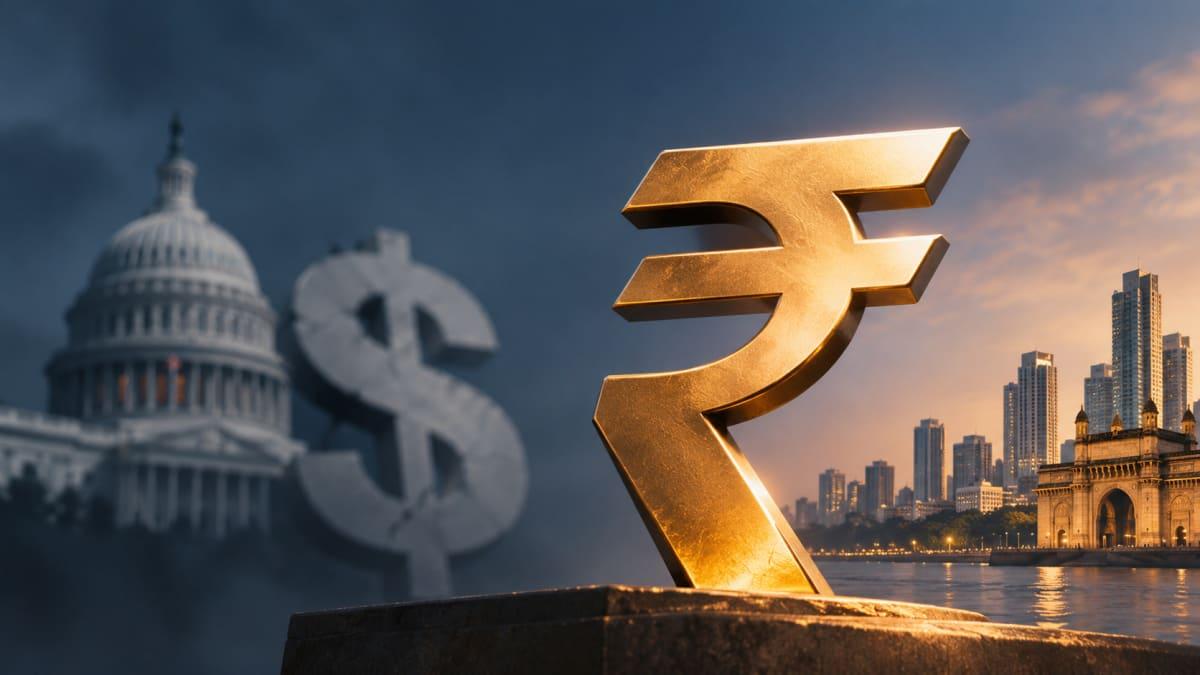
But here's the twist. The RBI does not just look at vegetable prices; it also looks at how the Indian Rupee is doing against the US Dollar.
Earlier, many analysts expected a big 0.50% rate hike because they feared the Rupee was under too much pressure. But recently, conditions have changed. State Bank of India economists just halved their rate hike forecast to a smaller 0.25% increase.
The reason? Foreign investors are starting to bring money back into India, and the pressure on the Rupee is easing. This is similar to what we saw when explaining why is the Rupee rising after US midterms, where global shifts can suddenly make the Indian currency much stronger.
When the Rupee is strong, the RBI does not need to raise rates as aggressively to attract investors or protect the currency. This "external cushion" gives the central bank room to be more gentle with its rate hikes, even if the local vegetable market is on fire.
Now, to be clear, a hike is still coming. Economists from DBS Bank and ICRA both agree that a 25 bps rate hike in December appears almost certain. Barclays economists also noted that while food prices are high, the actual momentum of those price increases slowed down toward the end of October.
So, is the inflation problem about a failing economy? Not really. It is about a temporary spike in food costs being balanced out by a very stable financial position for the country.
The open question is how long this stay above the 6% mark will last. Some economists warn that inflation will average 6.2 percent for the rest of the quarter. All eyes are now on the Monetary Policy Committee meeting next month to see if they choose the path of a gentle nudge or a heavy hand.
If this helped the interest rate dilemma make sense, share it with a friend on WhatsApp, LinkedIn, or X. You might also find it interesting to learn why Indian banks are running out of cash.