In today's FirstScroll, we break down why the RBI is launching a ₹3 lakh crore liquidity drain, and why this invisible vacuum cleaner prevents your home loan EMIs from falling.
The Story
Imagine a treasury officer sitting at a glass desk in a high-rise in Mumbai’s Bandra Kurla Complex. It is the morning of October 7, and their screens are flashing with a single, massive number from the central bank.
The Reserve Bank of India (RBI) just announced it wants to take back ₹3,00,000 crore from the nation's banks. To put that in perspective, that is a massive amount of capital being sucked out of the system in a single afternoon.
For weeks, everyone has been obsessed with the Repo Rate. Will the RBI cut it? Will they hike it? But while the world watches the front door, the RBI is using a side door to manage your money.
This side door is called a Variable Rate Reverse Repo (VRRR) auction. It is a technical name for a simple act: the RBI is telling banks to park their excess cash with the central bank for a day instead of lending it out.
Then, the context changed. Just as the market was bracing for a potential 25 basis point hike in the repo rate, the RBI stepped on the gas to drain the cash already floating around.
And here is the strange part. Even though the banking system is technically swimming in extra money, the banks themselves seem hesitant to give it back to the RBI.
So here's the question: if the RBI is already planning to raise interest rates, why is it also working so hard to pull ₹3 lakh crore of cash out of banks?
You see, the problem is not just what the interest rate is. It is how much "spare change" is sitting in the system.
Think of the banking system as a sponge. If the sponge is bone dry, even a tiny drop of water (a small interest rate change) gets absorbed immediately. But if the sponge is dripping wet, adding more water does not change anything.
Right now, India's banking system is a very wet sponge. As of October 5, banks were sitting on a surplus liquidity of ₹5,30,096 crore. That is over ₹5.3 lakh crore of idle cash that banks have not lent out to businesses or individuals.
This is where the transmission problem comes in. If the RBI wants to fight inflation, it raises the Repo Rate to make borrowing more expensive. You can learn more about what the repo rate actually does to your EMI in our earlier guide.
But if banks already have too much cash, they do not need to borrow from the RBI. They can just keep lending their own surplus cash at lower rates. This makes the RBI’s official rate hike toothless, like a principal shouting in an empty hallway.
Now add the second ingredient: the VRRR auction. By offering to take ₹3 lakh crore out of the system, the RBI is trying to dry out the sponge. They want to make sure that when they announce a rate hike, the banks actually feel the pinch and pass those higher costs on to you.
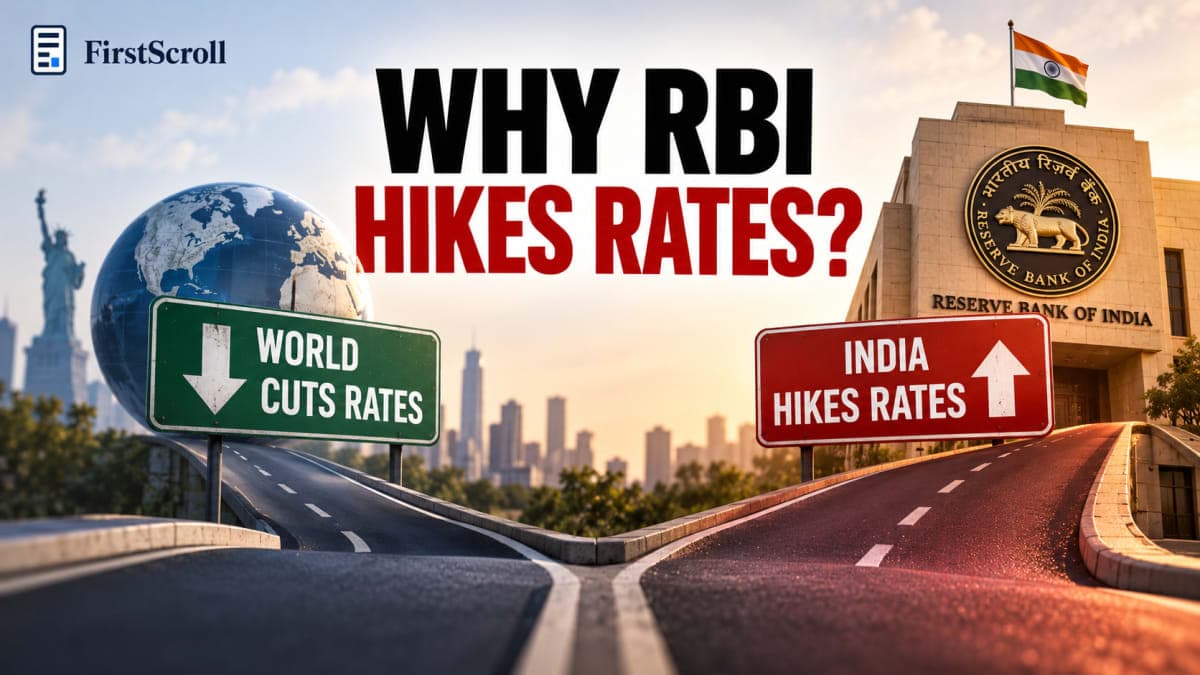
Now, you might wonder why the RBI is even considering a hike. For context, some experts believe the rate could move from 5.25 per cent to 5.50 per cent today. You might also find it interesting to read about why is the RBI hiking rates as the world cuts them in this current cycle.
So who wants what here? The RBI wants to crush inflation by making sure money is tight and expensive. The banks, meanwhile, want to keep enough cash handy to handle sudden withdrawals or new loan demands.
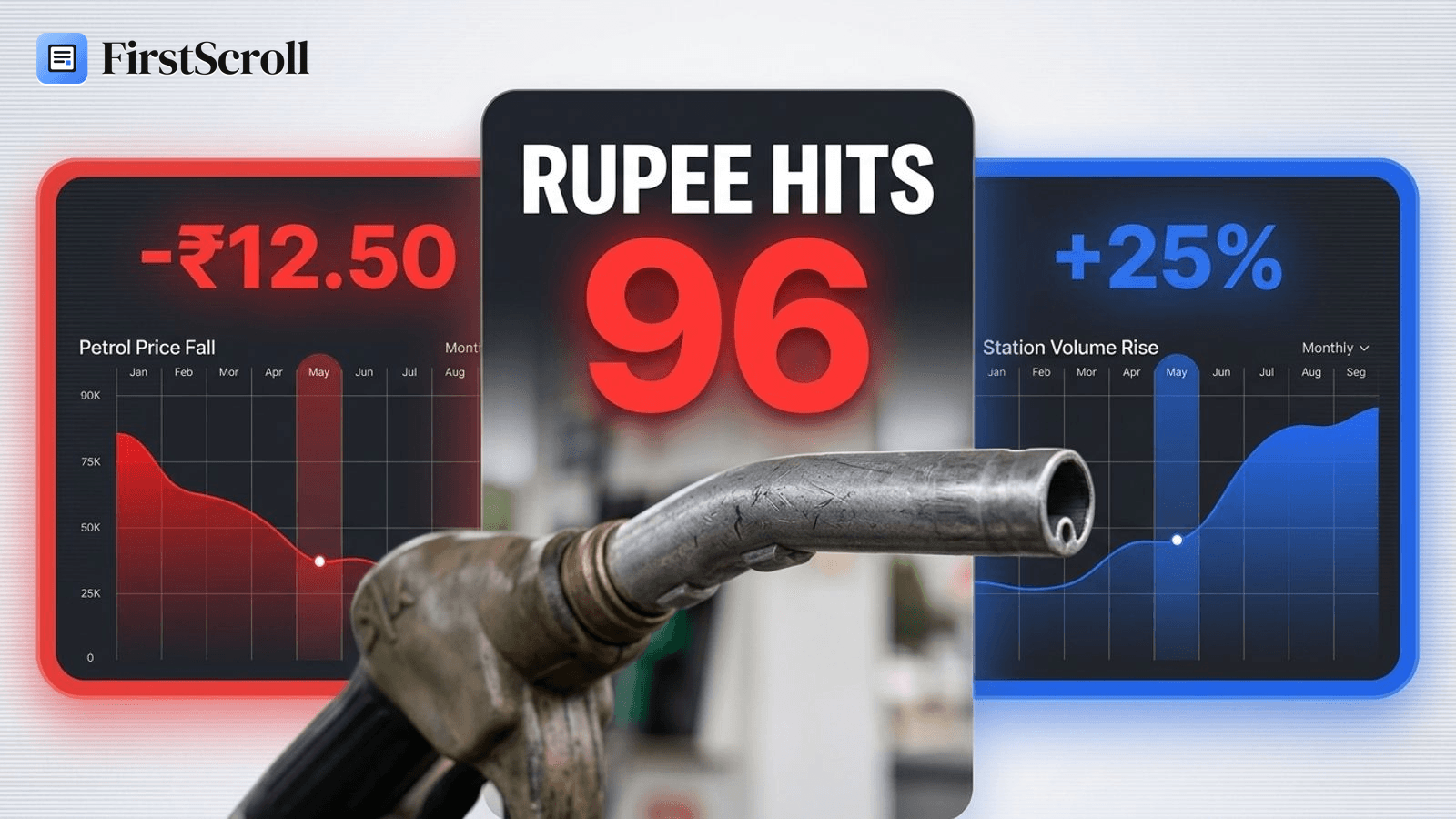
And the government? It is watching the rupee. On Tuesday, the Indian currency closed at 96.42 per US Dollar. Draining liquidity helps support the currency by making the rupee "scarcer" in the market.
But here's the twist. The RBI’s vacuum cleaner seems to be having trouble picking up all the dust. In a similar auction held this Tuesday, the RBI wanted to drain ₹2.50 lakh crore, but banks only offered ₹1,92,357 crore.
This suggests that banks are hoarding cash. They might be worried about future volatility or waiting for even higher interest rates before they commit their funds to the RBI. If banks do not play along with these auctions, the RBI’s plan to tighten the economy starts to wobble.
There is also the global factor. Crude oil prices recently dipped below $100 a barrel, which is roughly ₹9,642 at today's exchange rate. While lower oil is good for India, the overall pressure on the rupee remains high due to rising US yields.
Now to be clear, the RBI has other tools. If the VRRR auctions do not work, they could issue something called Cash Management Bills to suck out the surplus. They are determined to make sure that "tighter monetary policy" is not just a phrase on a piece of paper, but a reality in the market.
For investors, this creates a confusing picture. While government bond yields recently dipped to 7.19 per cent, the actual cost of borrowing for you and me is unlikely to come down. In fact, if the RBI succeeds in draining this ₹3 lakh crore, your bank might actually find a reason to raise your lending rates sooner than you expect.
So, is the liquidity drain about a simple banking adjustment? Not really. It is about the RBI's desperate attempt to regain control over how money flows through the Indian economy.
The central bank wants to make sure that when it pulls the lever on interest rates, the entire country feels the move. Whether the banks will stop hoarding their cash and start following the RBI’s lead is something only time will tell.
Until then…
If this story helped you make sense of the RBI's massive liquidity drain, share it with a friend on WhatsApp, LinkedIn, or X. You might also enjoy our story on why is the rupee falling despite low oil prices.