In today's FirstScroll, we break down why the RBI is suddenly demanding paperwork for every currency trade, and why it is effectively banning the "bets" that were making the Rupee's fall even worse.
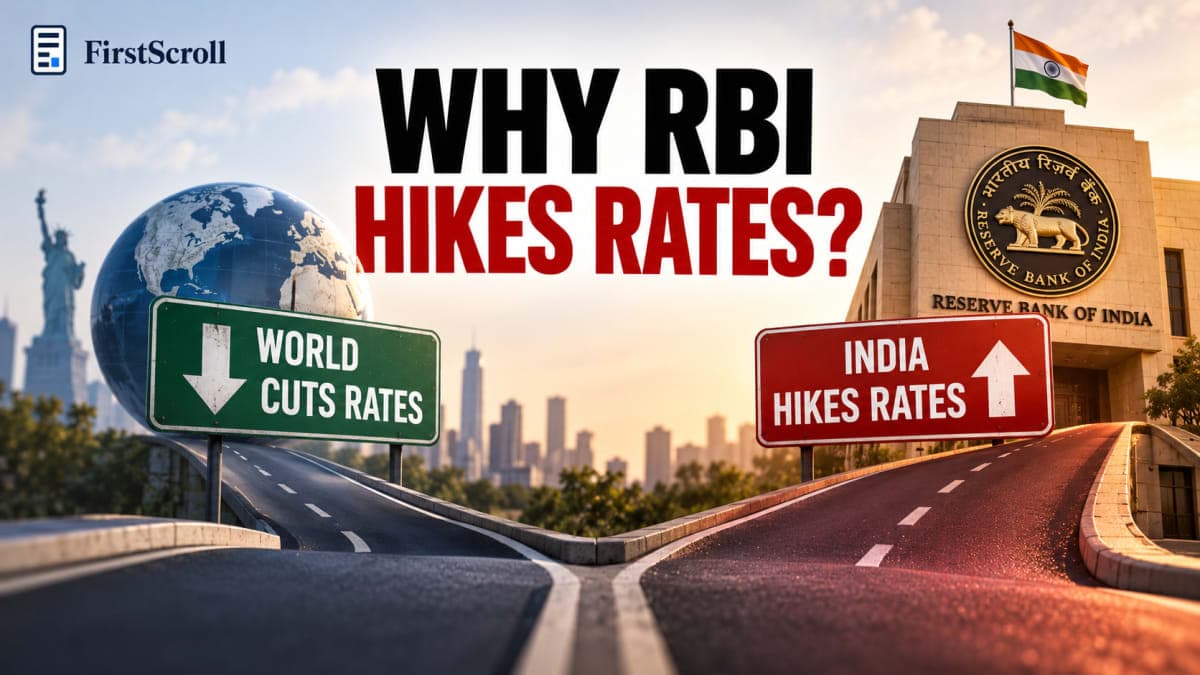
The short answer: The RBI is demanding paperwork because the Rupee is nearing a record low. By mandating stricter documentation for forex contracts, the central bank aims to kill speculative bets that profit from the currency's fall. It is ensuring that only businesses with real needs, like oil companies, can access the dollar market easily.
The Story
Imagine you run a small electronics business in Bengaluru. You import components from overseas, which means you need to pay your suppliers in US dollars.
To protect yourself from the Rupee losing value before your next shipment arrives, you go to your bank. You want to lock in a price for dollars three months from now: a common practice called hedging.
Usually, this is a routine conversation. You tell the bank how much you need, and they set up a contract. It is a simple tool to keep your business running smoothly.
But this week, the tone changed. Your bank manager is not just asking for your order; they are asking for proof.
They want invoices, contracts, and a mountain of paperwork to prove you actually need those dollars for a real business transaction. Without it, the door is shut.
Then, the news broke. The Reserve Bank of India (RBI) has officially tightened regulations on foreign exchange derivatives to stabilize the currency.
The Rupee has been under immense pressure, and the central bank is no longer in the mood for games. It is stepping in as the currency nears record low levels against the dollar.
And here is the strange part. These new rules are not just about paperwork: they include lowering transaction limits for forex contracts and imposing new cash requirements on banks.
So here's the question: if the Rupee has been volatile before, why did the RBI suddenly decide that every trade needs an audit trail right now?
You see, the problem is not just that the Rupee is falling. It is that "speculators" are effectively placing bets that it will fall even further, which speeds up the decline.
Think of the currency market like a narrow bridge. When a storm hits, companies with a "real business need" are the trucks trying to cross to deliver goods. Speculators are like opportunistic drivers who crowd onto the bridge just to place bets on whether the trucks will make it.
Right now, a massive storm is hitting the global economy. First, Brent crude prices stayed above $100 a barrel. Since India imports most of its oil, we need more dollars than ever to pay for it.
Second, interest rates in the US have stayed stubbornly high. Yields on 10 year US Treasuries reached 5.4% this week, a peak not seen since 2002. You can read more on why bond yields are rising and stocks are falling in our deep dive.
When US yields are that high, investors pull money out of emerging markets like India to chase safe returns in dollars. This double whammy: expensive oil and fleeing capital: creates a huge demand for dollars, making the Rupee "bruised."
Now, add the speculators. If they see the Rupee is weak, they start buying "dollar-rupee derivatives." They are not buying dollars to pay for oil; they are buying them hoping to sell them back at a profit when the Rupee crashes further.
Now, you might think this is just a market quirk, so why should you care? Because when speculation pushes the Rupee down, everything you use: from petrol to smartphones: gets more expensive. It fuels inflation, and the RBI cannot ignore that.
So who wants what here? The importer wants a stable Rupee to keep costs predictable. The speculator wants volatility because that is where the profit is.
And the RBI? It wants an "orderly" market. It does not mind the Rupee falling if the fundamentals demand it, but it hates "speculative dollar demand" that creates a panic.
This is where the new paperwork comes in. By requiring strict documentation for every trade, the RBI is essentially checking IDs at the door. If you cannot prove you have a real business need for that forex contract, you are not allowed to trade.
To help manage the genuine demand, the RBI has even created a special window for oil marketing companies. These firms are the biggest dollar buyers in India. By moving their trades to a separate lane, the RBI prevents their massive orders from spooking the regular market. For more on this, check out our guide on the RBI special window for oil marketing companies explained.
But here's the twist. While these rules stop speculators, they also make life harder for legitimate businesses. Small exporters and importers now have to deal with more bureaucracy and cash reserve requirements for derivatives, which can be expensive.
Speculators also provide "liquidity," meaning they are the ones often willing to take the other side of a trade. When you remove them, the market can become "thin." In a thin market, even a small trade can cause a big price jump, which is the opposite of the stability the RBI wants.
The RBI is also keeping an eye on retail investors. You might have seen ads for easy forex trading apps, but as we have covered, the government often fears your trading hobby when it starts to impact national stability.
Now to be clear, the central bank is not trying to freeze the market. It is trying to ensure that every dollar leaving the country is doing "real work" rather than sitting in a speculative account.
The global outlook remains tense. Investors are currently awaiting the September Consumer Price Index report from the US, which will decide if the Federal Reserve hikes interest rates again in December. If they do, the pressure on the Rupee will only increase.
So, is this crackdown about paperwork? Not really. It is about building a wall around the Rupee to keep it safe from a global storm that shows no sign of passing.
Whether this "bureaucratic shield" can protect the currency without choking the businesses that actually need it is something only time will tell.
Until then…
If this story helped you make sense of the RBI's crackdown on currency speculation, share it with a friend on WhatsApp, LinkedIn, or X. You might also enjoy our story on why the record drop in India forex reserves happened.