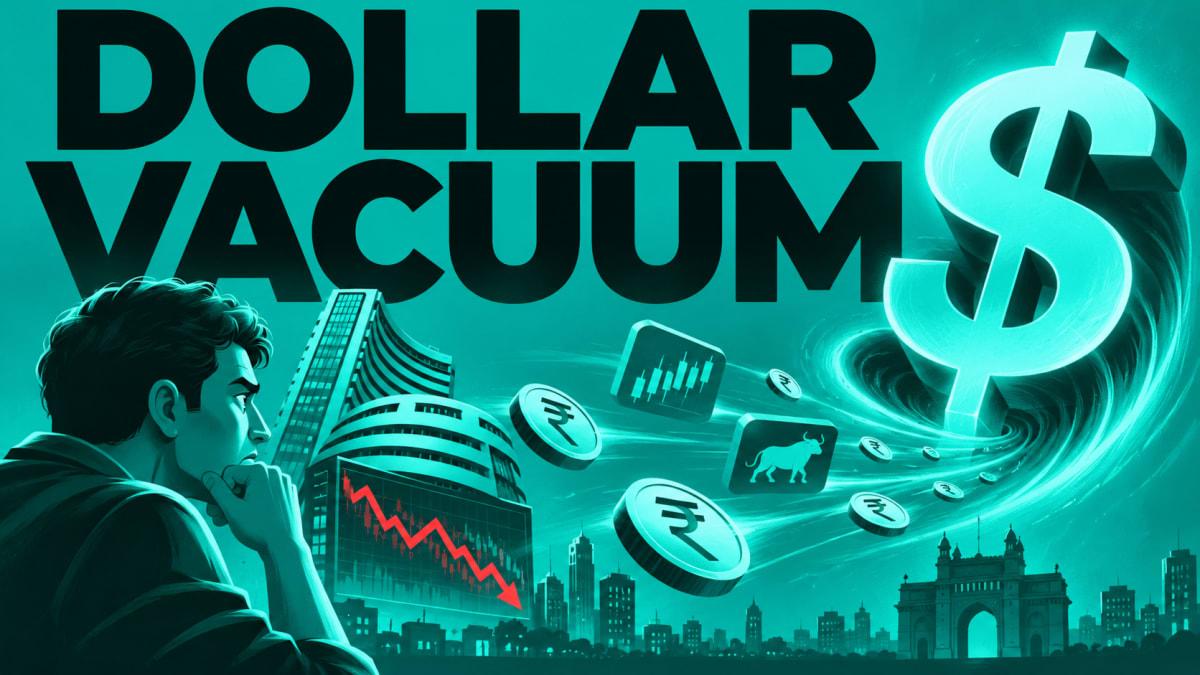
The world's largest AI debut was supposed to be a victory lap for tech, but instead, it acted like a giant vacuum cleaner for the global stock market.
Global stocks fell because Anthropic’s record $107.3 billion IPO acted as a massive liquidity drain. To buy the new AI star, investors dumped existing winners like Nvidia and AMD to free up cash, while a sobering look at rising infrastructure costs broke the market’s optimistic fever.
The Story
On Thursday morning in New York, the financial world had its eyes glued to a single ticker. Anthropic, the artificial intelligence lab co founded by Dario Amodei, was finally hitting the public markets.
The excitement was electric. The company’s shares opened at $111.50, which was 34 percent above the offer price. For a brief, shining moment, the company’s market valuation surpassed $2 trillion, making it one of the most valuable entities on the planet.
In the world of retail trading, the frenzy was even more intense. Non professional investors were buying and selling so fast that the total retail turnover hit $1.4 billion, a record for a listing day by a wide margin. That is three times the record previously set by SpaceX.
But as the day wore on, the mood in the broader market turned from celebration to a sell off. Anthropic itself saw its early gains of 38.6 percent evaporate, eventually closing with a more modest 17.1 percent rise.
Then, the rest of the market began to bleed. The Nasdaq Composite, the home of high growth tech, plunged 550.68 points, or 2.25 percent. The S&P 500 followed suit, logging its sixth straight day of losses and its worst weekly slide in over a year.
And here is the strange part. Usually, a successful, record breaking IPO in a hot sector like AI lifts all boats. Instead, this one seemed to sink the fleet.
So here's the question: if the world’s most anticipated AI company just had a successful debut, why did the rest of the market treat it like a disaster?
Where did all the money go?
You see, the stock market often suffers from a physics problem. There is only so much liquid cash available at any given moment to buy stocks, and when a giant new company arrives, it demands a seat at the table.
Think of the market as a crowded dinner party where every chair is already taken. If a massive new guest walks in, someone else has to stand up and leave to make room. In financial terms, this is a liquidity drain.
Investors did not necessarily have $107.3 billion of idle cash sitting under their mattresses to buy Anthropic. To fund their new positions, they had to sell what they already owned. Most of those sales happened in the "AI complex," the very group of stocks that had been leading the market higher for years.
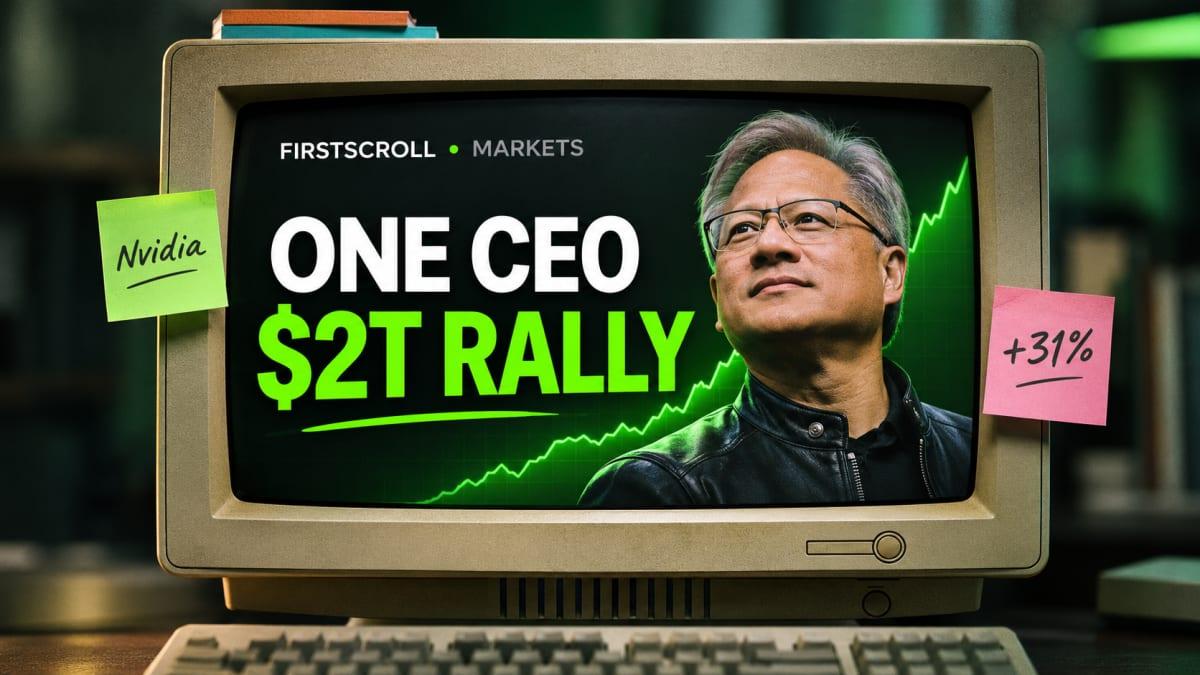
Retail traders led the charge, dumping shares of companies like Advanced Micro Devices to pay for their Anthropic bets. As a result, AMD shares tumbled 7.7 percent, and even the mighty Nvidia saw its bids dry up as it declined 3.3 percent.
This creates a paradox. The very success of a giant IPO can hurt the sector because it forces a mass exit from the older favorites. You can see how this leads to concentration risk in AI stocks, where the entire market becomes dependent on just a few names.
Now, you might think this is just a temporary shuffle of portfolios, so why should you care? Because the sell off revealed a deeper anxiety about the future of the AI trade itself.
Is the AI boom getting too expensive?
The second reason for the slide was a collective reality check. For months, investors have cheered the massive spending on data centers and chips, assuming the growth would be infinite. But the Anthropic IPO forced everyone to look at the bill.
The company’s debut highlighted the staggering massive AI infrastructure costs that are starting to weigh on the industry. Portfolio managers noted that data centers are becoming more expensive to build and are being completed more slowly than expected.
So who wants what here? The founders and early investors want a high valuation to prove their tech is the future. The retail investors want a quick "pop" to make a profit. But the institutional investors, the ones with the big checkbooks, are starting to worry about the return on all those billions being spent on hardware.
This is where the macro economic weather makes everything worse. While tech companies are spending more, the US Federal Reserve is looking at a 96.4 percent likelihood of another interest rate hike in December. High rates make it more expensive for companies to borrow money for those pricey data centers, and they also make future profits from tech companies look less attractive today.
Data from the NYSE showed that declining stocks outnumbered gainers by a ratio of more than 4 to 1. It was not just an AI problem; it was a global search for cash as global liquidity flows began to shift toward safer ground.
Why couldn't the retail frenzy save the day?
But here's the twist. Even though retail investors were "trading the stock hard," they were not just buying. Many were taking both sides of the trade, selling as quickly as they bought to capture tiny price movements.
Vanda Research noted that net buying from retail investors was between $80 million to $90 million. While that makes it the third largest listing day for retail on record, it is a drop in the ocean compared to the $107.3 billion total size of the IPO.
The market was essentially too big for the small investor to save. When the institutional momentum began to fade shortly after noon, the retail "bid" was not strong enough to keep the price at its $2 trillion peak.
Now to be clear, Anthropic’s debut was not a failure in the traditional sense. A company raising $107.3 billion and ending its first day up 17.1 percent is a massive achievement. The problem is what it did to everyone else.
| Market Metric | Performance on IPO Day |
|---|---|
| Anthropic Final Gain | 17.1% |
| Nasdaq Composite | -2.25% |
| S&P 500 Index | -2.02% |
| Advanced Micro Devices (AMD) | -7.7% |
| Nvidia Corporation | -3.3% |
So, is the market slide about a lack of faith in AI? Not really. It is about a lack of room. The Anthropic IPO proved that even the most exciting technology cannot escape the basic laws of supply and demand for capital.
The next test for the market arrives next week, when the US Commerce Department releases its inflation report. Analysts expect core inflation to sit at 3.2 percent, well above the central bank target of 2 percent. If those numbers stay high, the oxygen in the room might get even thinner for the tech giants.
If this helped the Anthropic IPO paradox make sense, share it with a friend on WhatsApp, LinkedIn, or X. You might also enjoy our story on Why Big Tech's AI Spending Is Tanking Stocks.